
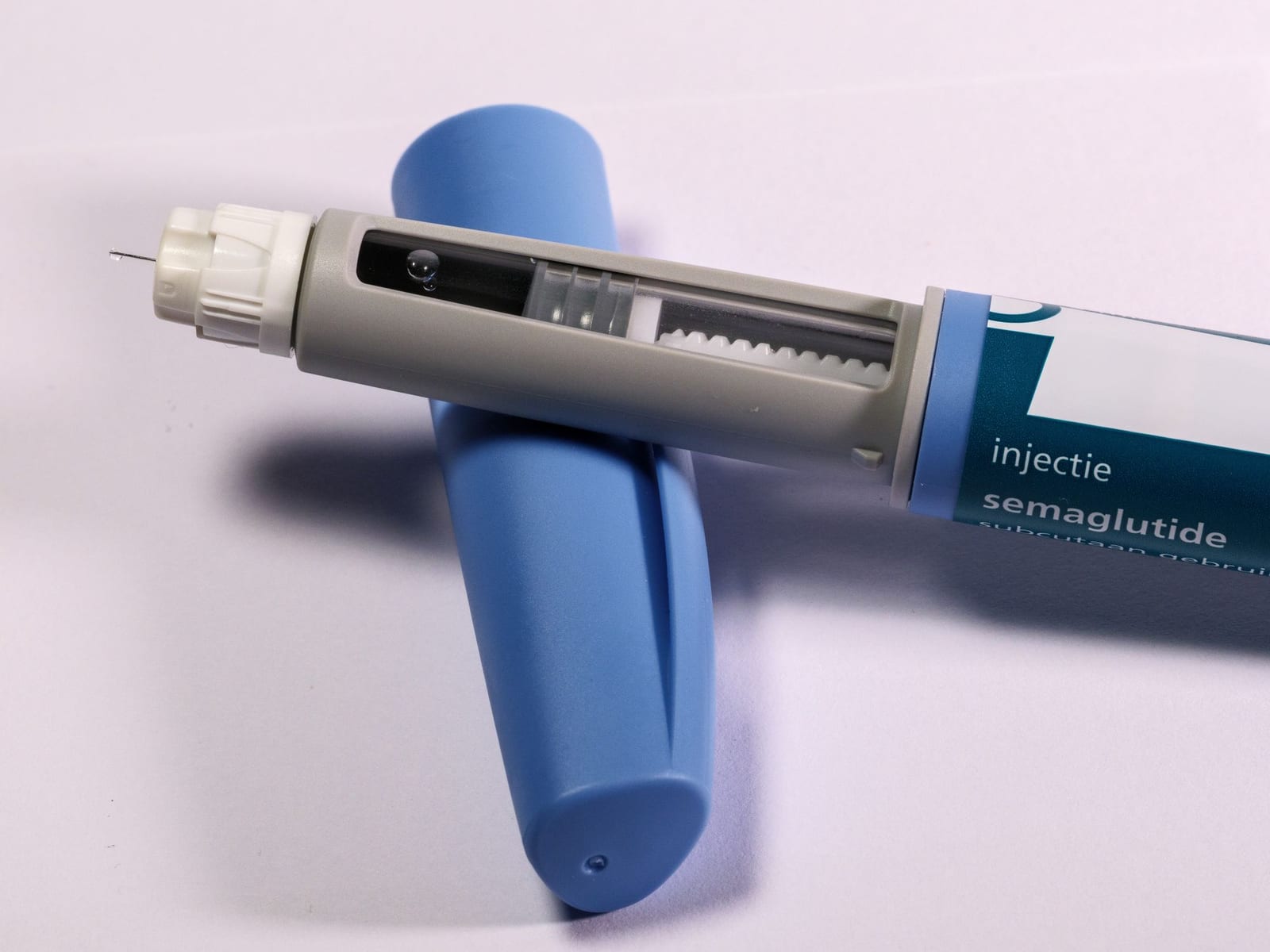
Nausea is one of the most common reasons the early weeks of GLP-1 treatment feel harder than expected. In the FDA labels for approved semaglutide and tirzepatide weight-management products, nausea was reported by about 44% of participants taking semaglutide 2.4 mg (versus 16% on placebo) and by 25% to 29% of those taking tirzepatide (versus 8% on placebo). Most of it occurred during dose increases and eased over time, but for some people it is enough to make treatment difficult to stick with. Harmony Med Spa’s semaglutide and tirzepatide include a small amount of vitamin B6, an ingredient widely used for nausea support. This article explains what that means, what the research does and does not show, and what you may read online when you look into it.
Why nausea deserves attention
GLP-1 medications slow how quickly the stomach empties and act on appetite signals in the brain. The same effects that help you feel full sooner can also cause queasiness, especially when a dose is new or has just increased. Nausea is more than uncomfortable. When it leads to skipped meals, low fluid intake, or vomiting, it can affect energy, hydration, and how well someone is able to continue treatment. That is why we ask about nausea, vomiting, appetite changes, hydration, and overall tolerance at follow-up visits.
What vitamin B6 is and why it is used for nausea
Vitamin B6 (pyridoxine) is a water-soluble vitamin involved in protein metabolism and in the making of neurotransmitters. It occurs in poultry, fish, potatoes, chickpeas, and fortified cereals, and most adults get enough from food. B6 is best known as a nausea remedy in early pregnancy, where it has been tested in clinical trials and is often paired with doxylamine. Reviews of those trials suggest it may reduce nausea, although the studies are small and the overall evidence is modest.
Here is the honest limit: we are not aware of published trials that test B6 specifically for GLP-1–related nausea. Its reputation comes mainly from pregnancy research and clinical practice. So we describe it as a supportive ingredient meant to make the medication a little easier to tolerate, not as a guaranteed fix. People respond differently, and the larger nausea plan still rests on gradual dosing, eating habits, hydration, and follow-up.
What B6 does not change
Vitamin B6 does not change the GLP-1 medication itself or how it works for appetite and weight management. It is not a reason to alter your dose or injection timing. Keep following the schedule and instructions your provider gave you, and ask the team if anything is unclear.
Why B6 has a safety reputation, and why dose matters
Search for vitamin B6 and you will quickly find warnings about nerve damage. Those warnings are real, and they are about dose and duration. Peripheral neuropathy, meaning numbness, tingling, or burning that usually starts in the hands and feet, has been reported with long-term, high-dose B6 supplements. Classic cases involved hundreds of milligrams to several grams a day, taken for months or longer. The U.S. adult upper limit is 100 mg a day. In 2023 the European Food Safety Authority took a more cautious view and set its own limit at 12 mg a day.
For scale, most adults need roughly 1.3 to 1.7 mg of B6 a day. The B6 in Harmony’s semaglutide and tirzepatide totals no more than 5 mg per week, which averages under 1 mg a day. That is far below both upper limits, and a full week’s maximum is less than the 12 mg a day the European limit allows.
Where people run into trouble is stacking. A multivitamin, a B-complex, an energy drink, a “nausea” supplement, and a vitamin injection each add B6, and the total climbs without anyone noticing. A few case reports describe symptoms at lower intakes, which is why we want to know about everything you take. Tell your provider about all supplements, vitamin injections, and medications. Some medicines, including certain seizure and Parkinson’s treatments, interact with B6.
What you may find when you research this online
Information about B6 and GLP-1 medications ranges from careful to promotional. Here is how to read the claims you are most likely to see.
- “B6 cures GLP-1 nausea.” Not proven. Pregnancy research suggests a modest benefit, and we know of no GLP-1-specific trials. Think of it as one supportive tool.
- “B6 causes nerve damage.” It depends on the dose. Neuropathy is tied to prolonged high intake, far above 5 mg a week.
- “More B6 means more relief.” There is no evidence for that here, and more B6 from all sources raises risk. Do not add supplements on your own.
- “B6 changes how the medication works.” We are not aware of evidence that it does. It does not alter the GLP-1’s effect on appetite or weight.
- Personal stories and seller pages. They can describe real experiences, but they cannot show what would have happened without B6, and sellers have a reason to emphasize benefits. They are not a substitute for research or for your provider’s advice.
Easing nausea: B6 is one piece
Several everyday habits often matter as much as any ingredient:
- Eat smaller meals more slowly, and stop at the first sense of fullness.
- When queasy, choose bland, lower-fat foods and limit greasy or very sweet ones.
- Sip fluids through the day instead of drinking large amounts at once.
- Avoid lying down right after eating.
- Tell us about nausea early. The pace of dose increases is often the most useful lever, and that is a decision for your provider.
When to contact us
Call the same day if you cannot keep fluids down, are vomiting repeatedly, have signs of dehydration such as dizziness, very dark urine, or very little urination, or find that nausea is getting worse rather than easing. Severe or persistent abdominal pain, with or without vomiting, needs prompt medical care because it can signal problems such as pancreatitis or gallbladder disease. Also report any new numbness, tingling, or burning in your hands or feet. If you think you could be pregnant, contact us before your next dose. For trouble breathing, swelling of the face or throat, or fainting, call 911.
Make the next step a conversation
If nausea is a concern before or during treatment, bring it to your visit along with a list of everything you take, including vitamins. Contact Harmony Med Spa in Sarasota or call (941) 923-8990. GLP-1 treatment is prescribed after a medical exam and is not appropriate for everyone. This article is educational and does not replace individualized medical advice.
Frequently asked questions
Why do Harmony’s semaglutide and tirzepatide include vitamin B6?
B6 is widely used for nausea support, and nausea is one of the more common GLP-1 side effects. The goal is to make treatment a little easier to tolerate. It is a supportive ingredient, not a guaranteed fix.
Does vitamin B6 change how the medication works?
No. It does not change the GLP-1 medication itself or how it works for appetite and weight management. Keep following the dosing schedule and instructions your provider gave you.
How much vitamin B6 is in a weekly injection?
Maximum exposure is 5 mg of B6 per week. Ask your provider to confirm the amount for your specific prescription.
At what dose does vitamin B6 cause nerve problems?
Neuropathy is linked to prolonged high intake, classically hundreds of milligrams a day or more, with a few reports at lower amounts. For comparison, the U.S. adult upper limit is 100 mg a day, the European limit is 12 mg a day, and Harmony’s formulation provides a maximum of 5 mg per week. Because what counts is the total from all sources, tell us about every supplement and vitamin injection you use.
Should I take extra vitamin B6 for nausea?
Please do not add it on your own. The total from all sources matters, and more has not been shown to work better. Check with your provider first.
What should I do if I still feel nauseated?
Tell the team. We can review the pace of dose increases, meal size and timing, hydration, and other possible causes. Repeated vomiting, signs of dehydration, or severe abdominal pain need prompt medical care.
Sources and further reading
- NIH Office of Dietary Supplements, Vitamin B6 Fact Sheet for Health Professionals: https://ods.od.nih.gov/factsheets/VitaminB6-HealthProfessional/
- EFSA Panel on Nutrition, Novel Foods and Food Allergens, Scientific opinion on the tolerable upper intake level for vitamin B6, EFSA Journal, 2023: https://www.efsa.europa.eu/en/efsajournal/pub/8006
- Matthews A, et al., Interventions for nausea and vomiting in early pregnancy, Cochrane Database of Systematic Reviews, 2015: https://doi.org/10.1002/14651858.CD007575.pub4
- FDA prescribing information, Zepbound (tirzepatide): https://www.accessdata.fda.gov/drugsatfda_docs/label/2023/217806s000lbl.pdf
- FDA prescribing information, Wegovy (semaglutide): https://www.accessdata.fda.gov/drugsatfda_docs/label/2024/215256s011lbl.pdf
- Harmony semaglutide information: https://www.harmonymedspafl.com/semaglutide
- Harmony tirzepatide information: https://www.harmonymedspafl.com/tirzepatide
Continue exploring
Personalized care in Sarasota
Ready to discuss your options?
A consultation connects the information in this guide to your health history, goals, timeline, and budget.
Talk with Harmony about GLP-1 nausea support