
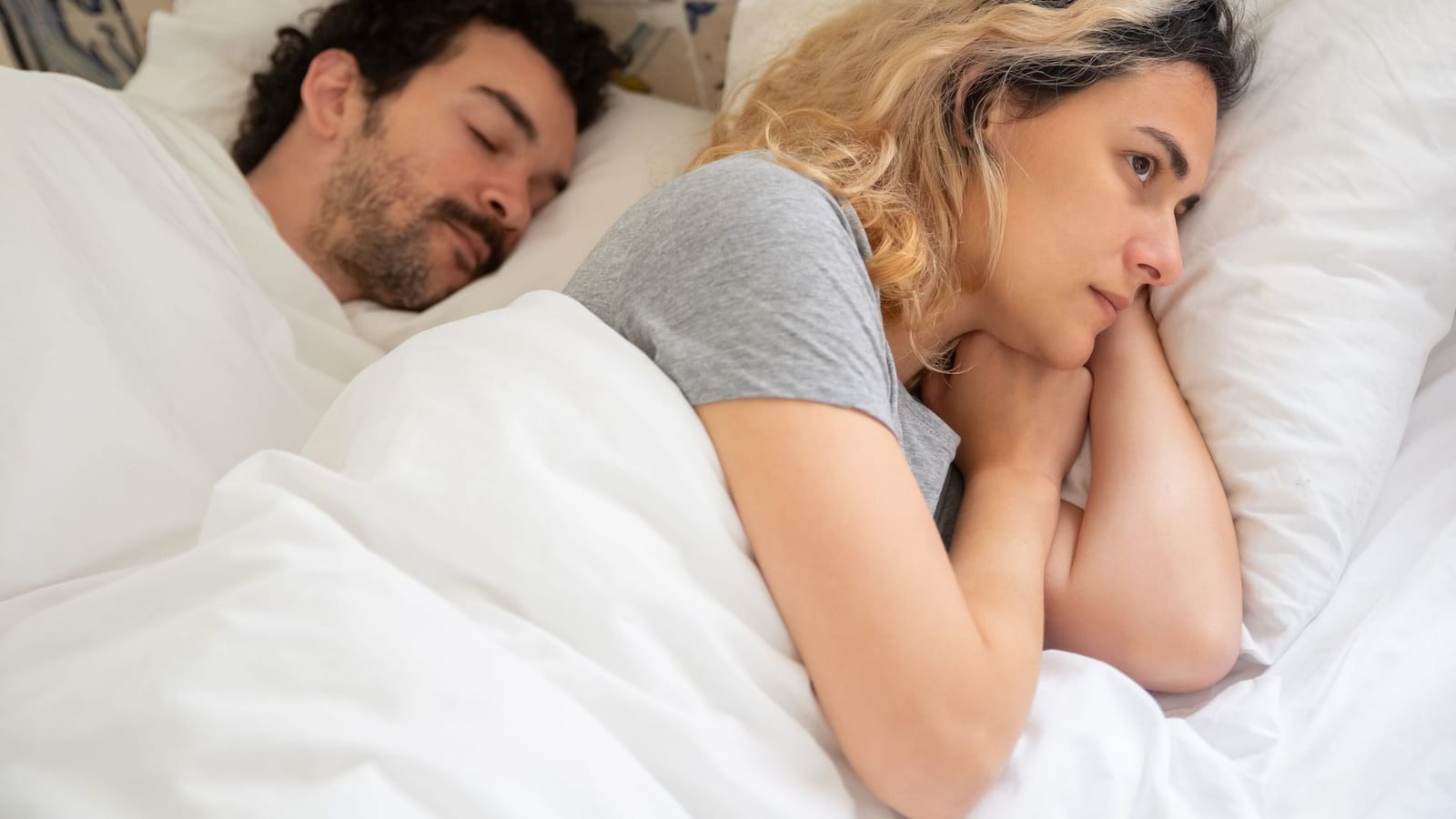
If you fall asleep easily but wake up hot, damp, and wide awake at 2 or 3 a.m., you are describing one of the most common complaints of the menopause transition. In October 2026, the American College of Obstetricians and Gynecologists (ACOG) published a new guideline that, for the first time, gives specific recommendations for sleep problems linked to hot flashes and night sweats. The short version: when night sweats are driving the wake-ups, treating them is a reasonable first step, and there are both hormonal and nonhormonal options to discuss with a provider.
What changed in October 2026
ACOG Clinical Practice Guideline No. 13 was published on October 15, 2026, in the journal Obstetrics and Gynecology. It replaces the organization's 2014 practice bulletin and covers three areas: vasomotor symptoms (hot flashes and night sweats), sleep disturbance, and mood symptoms.
Key points reported from the guideline include:
- ACOG strongly recommends systemic menopausal hormone therapy for hot flashes and for sleep disruption related to them, in people without reasons to avoid hormones.
- For people who choose hormone therapy for these symptoms, ACOG recommends starting before age 60 or within 10 years of the start of natural menopause.
- For people who cannot or do not want to use hormones, ACOG strongly recommends a newer class of nonhormonal prescription medicines called neurokinin receptor antagonists, and it also lists certain antidepressant medicines (SSRIs or SNRIs) as options for hot flashes.
- ACOG suggests cognitive behavioral therapy, mindfulness-based approaches, physical exercise, clinical hypnosis, and acupuncture for menopause-related sleep disturbance, while noting that the evidence for these is weaker.
- The guideline found that current evidence does not support soy isoflavones, other phytoestrogens, or herbal supplements for menopausal symptoms.
One nuance is worth knowing. In the studies ACOG reviewed, hormone therapy improved how well women felt they slept, but it did not clearly change sleep measured in a sleep lab. That is one reason a full evaluation matters: night sweats are only one possible cause of poor sleep.
Why menopause can wreck sleep
During perimenopause and after the final period, falling and fluctuating estrogen levels can make the body's temperature control more sensitive. A small rise in core temperature can set off a hot flash, and at night that often means waking up sweaty, throwing off the covers, and then struggling to fall back asleep.
But midlife sleep problems are not always hormonal. Other common contributors include:
- Sleep apnea, which can cause snoring, gasping, morning headaches, and daytime sleepiness
- Anxiety, low mood, or stress, including the stress of a busy holiday season
- Alcohol or caffeine later in the day
- Pain, frequent nighttime urination, or restless legs
- Certain medicines, or thyroid problems
The CDC recommends that adults get 7 or more hours of sleep a night. If you are regularly getting far less, it is worth finding out why rather than assuming it is "just menopause."
Small changes that may help tonight
These steps will not replace medical care, but many women find them useful while they sort out the bigger picture:
- Keep the bedroom cool and use a fan, breathable bedding, and layers you can remove easily.
- Notice your personal triggers, such as alcohol, spicy food, or a hot shower right before bed.
- Keep a regular wake-up time, even after a poor night.
- Limit screens and bright light in the hour before bed.
- Keep a simple two-week log of bedtime, wake-ups, night sweats, alcohol, and caffeine to bring to your appointment.
When to see a provider sooner
Make an appointment promptly, and do not wait for your next routine visit, if you notice:
- Loud snoring, pauses in breathing, or gasping during sleep
- Daytime sleepiness that affects driving or work
- Low mood, hopelessness, or anxiety that is hard to manage
- Night sweats with fever, unexplained weight loss, or swollen glands
- Any bleeding after menopause
If you ever have thoughts of harming yourself, call or text 988 in the U.S. right away, or call 911 in an emergency.
Hormone therapy is not one-size-fits-all
The new guideline emphasizes shared decision-making. That means your age, how long it has been since menopause, your personal and family history of breast cancer, blood clots, stroke, and heart disease, and your own preferences all shape whether hormone therapy is a good fit and which form makes sense.
It also helps to know the difference between FDA-approved hormone products and compounded hormones. The guideline's recommendations are based on studies of FDA-approved hormone therapy. Hormone pellets, including the pellets offered at Harmony, are compounded preparations, which are not FDA-approved products. Ask your provider to explain the options, including FDA-approved estrogen and progesterone products, so you can compare them clearly.
Questions to ask at your visit
- Are my night sweats likely the main reason I am waking up, or should we look at other causes too?
- Should I be screened for sleep apnea or thyroid problems?
- Based on my age, health history, and time since menopause, am I a candidate for hormone therapy?
- What are the differences between FDA-approved hormone products and compounded options such as pellets?
- If hormones are not right for me, which nonhormonal options should I discuss?
- How will we measure whether treatment is working, and when should we follow up?
How Harmony Med Spa can help
At Harmony Med Spa in Sarasota, hormone care starts with an HRT exam, where our provider reviews your symptoms, health history, and goals before discussing any treatment. Harmony offers bioidentical hormone replacement therapy, including hormone pellet therapy for women and men, and we will talk openly about what each option can and cannot do, including when another specialist, such as a sleep medicine clinic, is the better next step. Contact us to schedule a hormone evaluation, and bring your sleep log with you.
Frequently asked questions
What did ACOG's 2026 menopause guideline say about sleep?
ACOG strongly recommends systemic hormone therapy for sleep disruption caused by hot flashes and night sweats in people without reasons to avoid hormones, and it lists nonhormonal and behavioral options too.
Why do I wake up at night during menopause?
Hot flashes and night sweats are a common cause, but sleep apnea, stress, alcohol, pain, and some medicines can also play a role, so an evaluation is worthwhile.
Is there an age limit for starting hormone therapy?
ACOG recommends that people who choose hormone therapy for hot flashes start before age 60 or within 10 years of the start of natural menopause. Your provider will review your own risks.
Are there nonhormonal options for night sweats?
Yes. ACOG lists nonhormonal prescription options, including neurokinin receptor antagonists and certain antidepressant medicines, plus behavioral approaches such as cognitive behavioral therapy.
Do supplements like soy help menopause sleep problems?
ACOG found that current evidence does not support soy isoflavones, other phytoestrogens, or herbal supplements for menopausal symptoms.
Are hormone pellets FDA-approved?
No. Hormone pellets are compounded preparations, not FDA-approved products. Ask your provider to compare them with FDA-approved hormone options.
Sources and further reading
American College of Obstetricians and Gynecologists: Clinical Practice Guideline No. 13, Management of menopause-related vasomotor, sleep, and mood symptoms, Obstetrics and Gynecology (October 2026): https://doi.org/10.1097/AOG.0000000000006428
Centers for Disease Control and Prevention: About Sleep: https://www.cdc.gov/sleep/about/index.html
Continue exploring
Personalized care in Sarasota
Ready to discuss your options?
A consultation connects the information in this guide to your health history, goals, timeline, and budget.
Schedule a Hormone Evaluation