
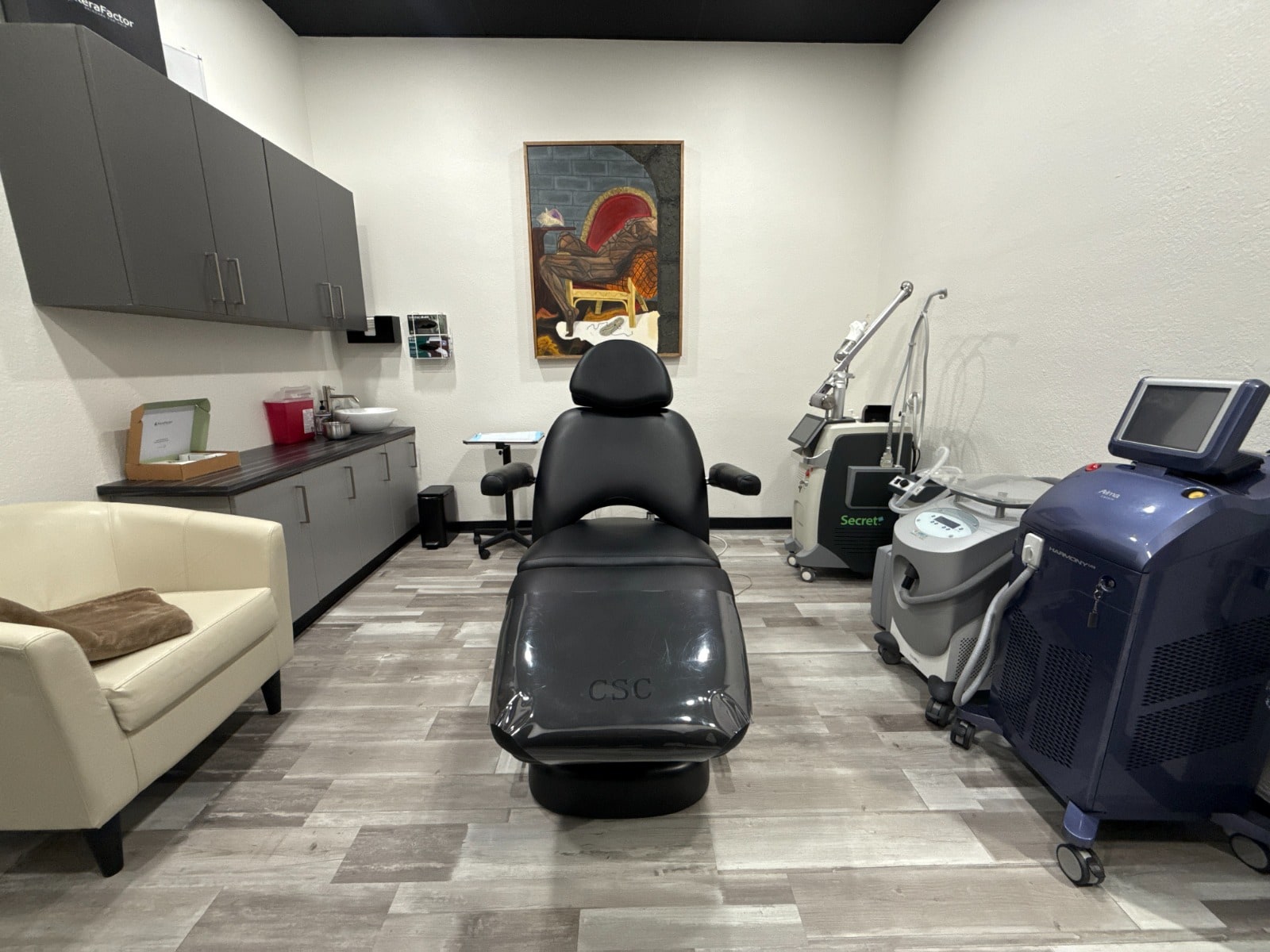
If shaving feels endless or waxing appointments keep competing with your calendar, laser hair removal can sound like a way to stop thinking about hair altogether. A more realistic goal is reducing the burden of unwanted hair when your skin, hair, and schedule make you a suitable candidate. It involves an upfront treatment commitment and may still involve maintenance. Waxing or shaving may remain the better choice for some areas, preferences, or circumstances.
The useful comparison is not which method is best for everyone. It is which trade-offs you are willing to make. Start with the area you want to treat, how much the current routine bothers you, and whether you can follow the requirements of a clinical treatment plan.
Shaving offers flexibility, with repeated upkeep
Shaving removes hair at the skin’s surface. It is accessible, can be done at home, and does not require committing to a series. The trade-off is frequent repetition for people who prefer a consistently smooth feel. Cuts, irritation, and razor bumps can make the routine less comfortable for some people.
Think about the actual inconvenience rather than the ideal of never shaving again. If you shave a small area occasionally and your skin tolerates it well, you may not need another intervention. If the process repeatedly causes problems, discuss the skin concern as well as the hair. Persistent bumps should not automatically be dismissed as something you must tolerate to remove hair.
Waxing changes the interval, not the need for upkeep
Waxing pulls hair from the root, so regrowth and appointment planning differ from shaving. It can suit people who prefer an intermittent appointment over repeated shaving. It also requires hair to be long enough for the process, which may be inconvenient around certain events or clothing preferences.
The AAD notes that waxing can cause pain, irritation, and skin injury, and some medicines or skincare products can make it unsuitable. Tell the professional what you use, particularly products on the area being waxed. Do not stop prescriptions independently to make an appointment possible. Ask whether a different method or date is safer for your skin.
Laser changes the long-term goal
Laser treatment uses light energy to target hair. It usually involves multiple visits, and the result depends on factors such as hair characteristics, skin tone, body area, and the device. The AAD notes that maintenance treatments may be needed. A promise that every hair will disappear forever is not a sound basis for purchasing a package.
Ask the clinician what reduction is realistic for the area you care about. Also ask how they will assess response before recommending additional sessions. The endpoint should be discussed in terms you can recognize, such as less frequent upkeep, rather than a guarantee of completely hair-free skin. If the expected improvement would not justify the commitment for you, say so.
Hair color and skin tone belong in the consultation
Laser hair removal is not a one-setting service. Ask how your hair color, thickness, and natural skin tone affect the available options, especially if the hair is very light, fine, gray, or red. Do not assume an advertisement featuring one type of skin predicts your response. Recent tanning is also relevant even if your usual skin tone has previously been treated.
Ask who performs the procedure, what training they have with the device, and what experience they have with comparable skin and hair. Potential complications include burns, pigment changes, and scarring. Protective eyewear and device-specific safety measures are not optional extras. A clear explanation of limitations is a positive sign, not a weakness in the service.
Compare the whole year of effort without inventing savings
Write down what you currently spend on products or appointments and how much time the routine takes. Then request a written laser estimate for the intended area, including what a package covers and how additional visits are priced. Do not assume a quoted series is a guarantee that you will need no maintenance.
Avoid a comparison that gives laser every benefit and ignores scheduling, travel, or sun precautions. Equally, do not reduce the decision to the cost of one razor. The best choice depends on how you value convenience and what you can comfortably afford. A hypothetical saving becomes meaningful only when it uses your actual costs and a realistic treatment estimate.
Switching methods requires coordination
If you decide to pursue laser, ask when to stop waxing or plucking and how to manage hair between visits. The clinician should give instructions for the area and device; do not combine methods without checking. Ask about shaving timing, recent sun exposure, and what happens if travel interrupts the schedule.
Autumn can be a convenient time to begin a discussion, but Sarasota’s outdoor lifestyle continues beyond summer. Tell the team about beach plans, outdoor work, and holidays. If you cannot follow the recommended precautions, a later start may be more sensible than rushing to complete a series before a particular season.
Choose the level of commitment you actually want
Harmony Med Spa offers laser hair removal consultations in Sarasota. Bring one priority area and a realistic description of your current routine. Ask whether treatment is suitable before buying a series, and compare it with the option of continuing a simpler method. Hair removal is a preference; the right plan should make your routine easier, not create pressure to treat more areas than you intended.
Frequently asked questions
Is laser hair removal permanently hair-free?
Do not assume every hair will be removed forever. Results vary, and maintenance may be needed. Ask about realistic reduction for your hair and treatment area.
Can I keep waxing during a laser series?
Ask the treating clinician before doing so. Root-removal methods can interfere with the treatment plan; obtain clear instructions for managing hair between visits.
Is shaving always worse for my skin?
No. Many people tolerate it well. Compare your own irritation, time, and preferences rather than assuming a clinical procedure is necessary.
Does laser work equally well on every hair color?
No. Hair characteristics affect response. Very light, gray, red, or fine hair needs a candid assessment of likely benefit and alternatives.
Will laser automatically cost less over time?
Not necessarily. Compare your real current spending with a written treatment and maintenance estimate. Avoid savings claims based on invented future costs.
Is October a deadline for starting?
No. Fall may fit your calendar, but candidacy and the ability to follow precautions matter more than the month. Ask for a schedule that accommodates your circumstances.
Sources and further reading
AAD: laser hair removal FAQs: https://www.aad.org/public/cosmetic/hair-removal/laser-hair-removal-faqs
AAD: preparing for laser hair removal: https://www.aad.org/public/cosmetic/hair-removal/laser-hair-removal-preparation
AAD: ways to remove unwanted hair: https://www.aad.org/public/everyday-care/skin-care-basics/hair/remove-unwanted-hair
Continue exploring
Personalized care in Sarasota
Ready to discuss your options?
A consultation connects the information in this guide to your health history, goals, timeline, and budget.
Ask whether laser hair removal fits your needs